
Gardening for climate change
Five ways to weather the storm(s)
Build community

Photo credit: Sebastian Mrosovsky. Container garden harvest, 5th floor Brooklyn NY
We need each other! to grow gardens that will survive these unpredictable times.
Share learning. One of the most powerful garden tools is… other gardeners! Talking to others allows us to share our thinking, learn from each other’s mistakes and innovations, and tap into collective experiences. I do mean talking to real people — AI generated content and internet searches just don’t build community.
Share resources. Pooled resources make more for everyone. For instance, map out who has skills in your community so you don’t have to develop all of them yourself. Consider sharing equipment, tools, deliveries, seeds and plants. For example, neighbouring apartments can split a large order of compost for their container gardens.
Share the harvest and share seeds. It could be that your tomatoes were a bumper crop this year but beans failed. Increase the bounty by trading with a neighbour who had different growing conditions than you and different yields.
Share resistance. You’re not alone! Across the globe people are taking collective actions to deal with the big problem and transform the root causes of climate chaos. Join the movement!
2. Diversify
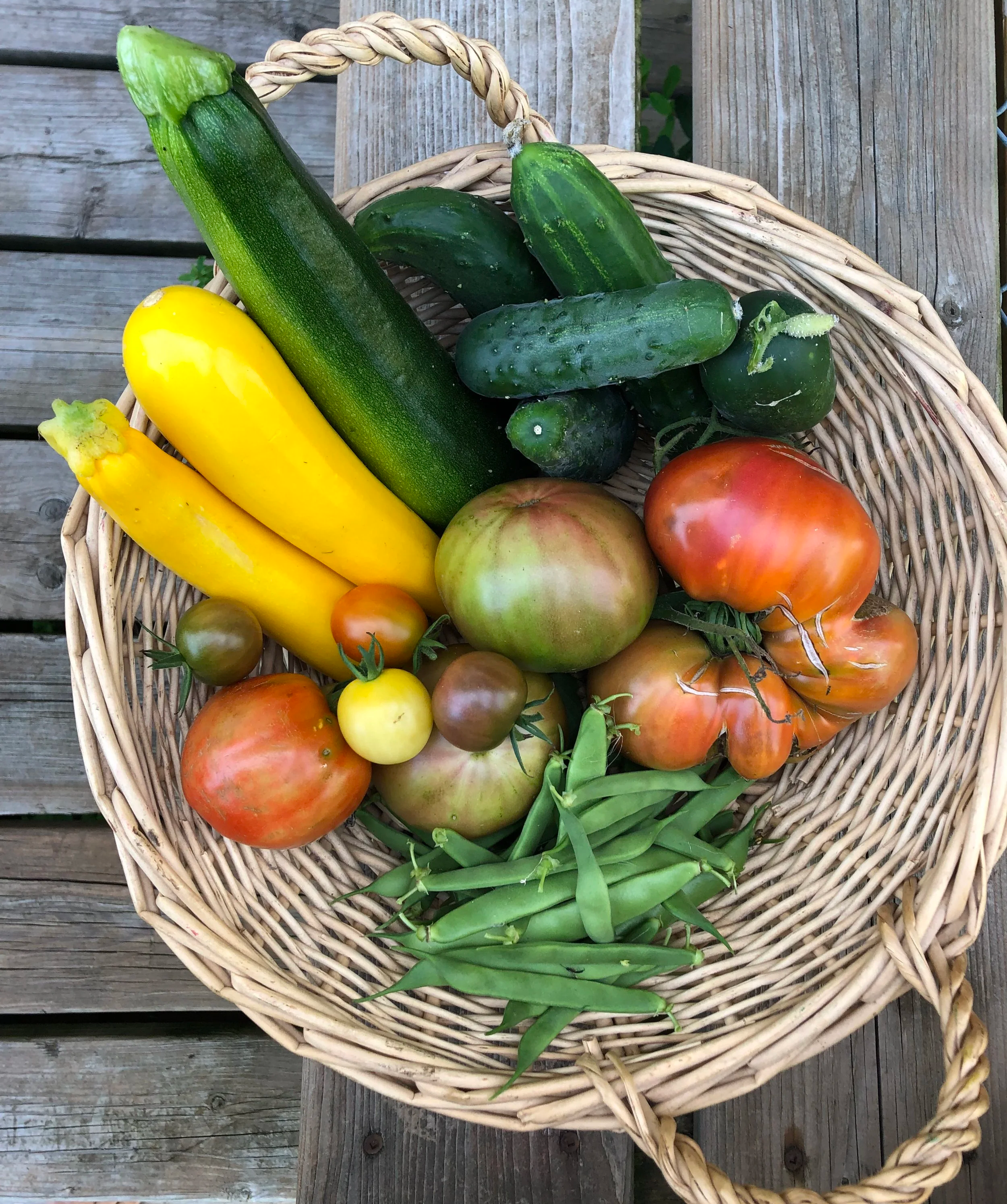
Diversity is resilience. Expand the overall survival of your garden by growing a wider variety of plants that are tolerant to different extremes, such as dry-loving and wet-loving plants.
For example, while most vegetables need lots of water for good growth and yield, too much water can cause mildew on cucumber family plants and blight on tomatoes - so make space for veggies like beans or tomatillos.
Lettuce and spinach can’t handle heat waves. Try non-bolting greens like amaranth, chard, kale, fenugreek, or malabar spinach.
Grow from seed and read seed catalogues or seed packets carefully to find varieties that are drought-resistant or disease resistant.
Diversify in time by planting earlier and later. This means grow a mix of early-season and late-season plants. You can check DTM (Days to Maturity) on seed packets. Start seeds at staggered times. And update your expectations — for Southern Ontario the May long weekend isn’t ideal for transplanting anymore, since May now means heatwaves, so try to get some of those seedlings planted out earlier in the month.
Try new crops. If your plants have been suffering from extremes of weather, consider planting something new and see how it grows. Incorporate perennials; many native plants for meadow habitat are drought-hardy and suitable for containers. Keep in mind that with climate change the Plant Hardiness zones are shifting; this may expand what perennials or trees could overwinter in your garden.
3. Take care of the soil, and the soil will take care of us

Healthy soil is more resilient to both flooding and drought. Healthy soil is alive with a biodiversity of microorganisms. There are many ways to build and support soil life, even in container gardens.
Feed the soil with organic matter to improve both drainage and water retention. Examples of organic matter are compost, compost tea or extract, fermented plant juice, and kelp meal.
Don’t leave soil bare because soil life needs plant life. Try planting cover crops between harvests - such as ryegrass or winter wheat for cold weather, and buckwheat or oats for warm weather.
Mulch to keep moisture in the soil and lower the pressure from dry spells. For urban gardeners, dry leaves or woodchips are two of the most accessible materials for mulching.
Rotate crops. By growing different plants in different containers (or garden beds) from year to year, a greater variety of soil life is supported.
Ditch synthetic fertilizers and reduce tilling the soil - these disrupt soil life.
All these ideas apply to container gardens too, which are even more susceptible to extremes of temperature and moisture. Regenerative practices that boost the soil biology are both impactful in the short-term, as well as being part of the long-term solution to the climate crisis.
4. Eat your weeds
Wild plants like dandelion, purslane, lambsquarters (AKA goosefoot), plantain, and chickweed are foods that grow by themselves! These are just a few examples and they’re packed with nutrition. Weeds are survivors that are much more hardy to climate change than many cultivated crops.
Consider all the effort it takes to grow annual vegetables, from sourcing the seeds to germinating them, seedling care, transplanting, weeding and watering all the way to harvest time - not to mention protecting from critters! Only to have delicate plants be susceptible to damage by extremes of weather. Tasty weeds pop up all by themselves without any of that work, withstand tough growing conditions, and regrow after you pick them. A dandelion greens salad sure sounds like a good idea - add some apple slices or raisins if you find it bitter.
5. Save seeds
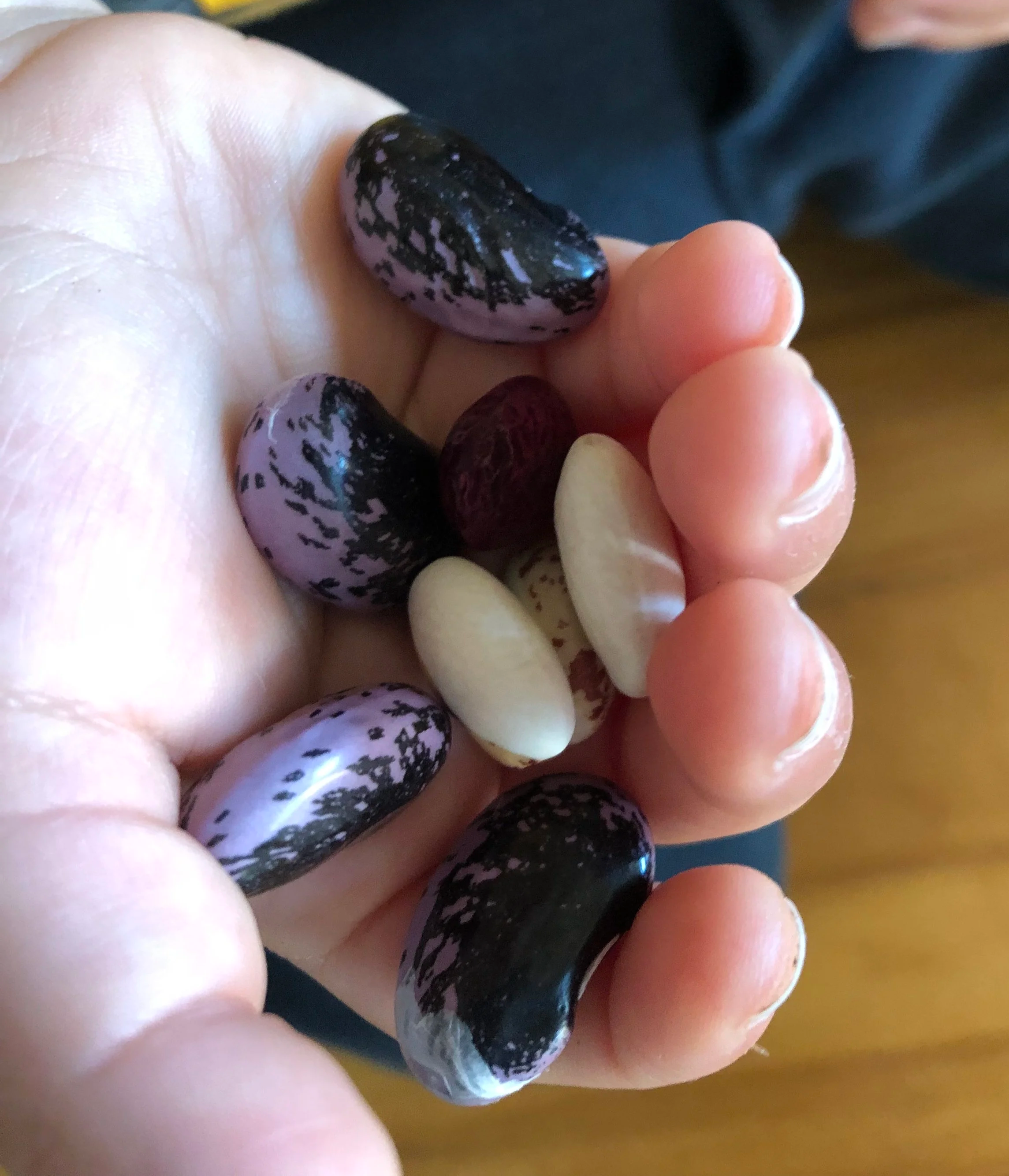
Saving seeds from varieties (and individual plants) that do particularly well in your garden selects for those that are better adapted to a particular region, soil condition, and even micro-climate. This is all the more important for saving seed from plants that survive climate challenges year by year. Heirloom varieties have built-in resilience because they have already survived weather fluctuations for many generations.
Diversify by collecting seed with a range of tolerances. Look for plants that thrived in different conditions - those that grew well in a wet season, plus those that grew well when it was dry; the ones that fruited early and the ones that fruited late.
Follow best practices for seed saving - Seeds Of Diversity is a great resource.
Seed saving makes us more self-sufficient in times of rising costs.
We can do this in community! Attend Seedy Saturday events where local seed exchanges promote sharing seed with other gardeners in your area.